About · the manifesto
We want to leave more behind than we take.
We make useful things with people.
Sometimes a story. Sometimes technology, a business, an artwork, a place, or an idea that hasn't found its form yet.
We begin by listening, and we listen again every time we get something wrong.
We stay curious enough to change our minds.
People closest to the work should have power over what happens.
A story stays with the people and the community it comes from. They decide where it goes.
Art is part of how we work.
It shows that somebody made this arrangement, and somebody could make another.
Our time has value.
So does community knowledge, creative thinking and the years it takes to build trust. People doing meaningful work should be able to build good lives from doing it. We want communities to own more, our partners to become more capable, our families to become more secure, and ACT to build things that keep being useful.
We want that value to create freedom.
Freedom to stay with something that matters. To say no. To make art. To spend time with our families. To back an idea before anybody has paid for it. And the same freedom for the people we work with, starting with the freedom to tell us no.
We build so the people carrying the work need us less each year.
That means giving up control, authorship and the pleasure of being necessary. ACT may stay nearby. It should no longer be in the middle.
And we keep asking
What will exist because we were here, and who will hold it after we leave?
A founders' history · the work so far
The field
between us.
Two people, one curious tractor, and the long work of learning what to build, what to hold and what to give away.
Begin before the tractorThis is not a company story in which the company is the hero.
It is a record of two people learning that the worth of a tool is measured by what it allows other people to hold, and that the deepest work of building is often the work of becoming less necessary.
Some parts of this history belong in public. Some remain inside relationships, permissions and cultural authority. This page will keep that boundary visible.
A Curious Tractor is not a First Nations organisation and does not speak as one. When we are invited into work with First Nations communities, our responsibility is to follow community authority, be clear about what we hold, and accept correction, refusal and silence as part of the work. A relationship is not consent in perpetuity. A good history together does not turn the next visit into an entitlement.
01
Before the tractor
Two kinds of restlessness.
Nic learned early through tools, movement and making. At nineteen, an old van became a mobile washing service for people experiencing homelessness. The machine mattered, but the larger discovery was the room that opened around it: chairs, time, conversation and the dignity of being met without a counter between you.
Ben arrived by another road: Muswellbrook on Wanaruah Country, travel, youth work, remote community programs, prisons, young people in care and photography. The camera opened rooms, but it also carried a problem that would shape the next decade. An image can witness a person, and it can take from them. The difference is the relationship around it.
At Orange Sky their paths converged. One had learned that a machine could make human space. The other was learning that an image must listen before it speaks. Both were impatient with the distance between a good intention and something a person could touch.
Are you proud of it?
02
31 July 2022
Two people, one curious tractor.
The first public account of A Curious Tractor appeared under the words "Irrigation, seeds and ACTion." Centre-pivot irrigation machines traced enormous circles across the Great Plains. Ordinary materials, arranged differently, could alter what a field was capable of becoming.
The beginning carried bright voltage. ACT would walk beside people, help ideas take form and gift the work back. The early language trusted innovation, impact and scale. It had not yet learned to speak precisely about authority, consent, cultural governance, local production or the economy left behind after a project vehicle leaves.
Still, the later ethic was already present in the promise to return the work. The company began by asking how to give an idea force. The field taught a harder question: whose force is it, and where should it live when we are gone?
03
The years of yes
We could feel the coherence before we could explain it.
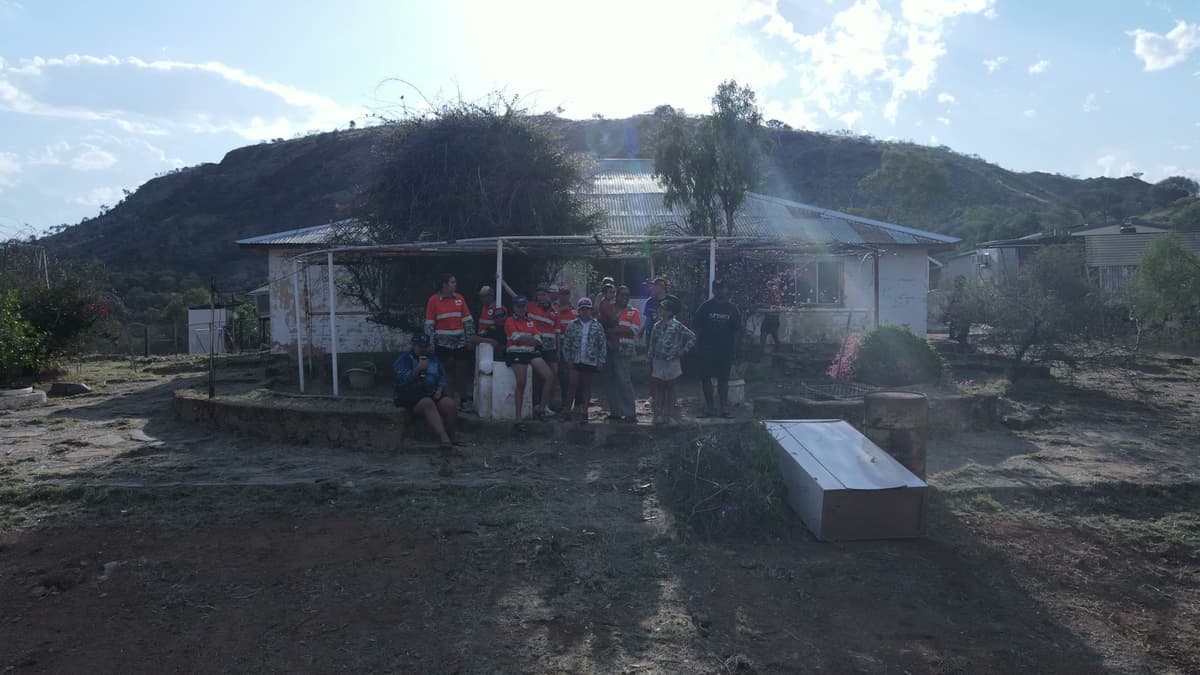
Beds assembled in the Centre. Photo kiosks on Bwgcolman (Palm Island). Story circles. A ledger for consent. JusticeHub demos. Public artworks. Farm workshops. Gardens, data maps, caravans and shipping containers cut open and rebuilt.
The abundance carried a risk. An organisation that gathers worthy projects can become the centre of a world it claims to decentralise. Care without limit can become another form of carelessness. The work needed a spine, and the founders needed a limit.
04
What Country corrected
Relationship is not a distribution route.
Goods on Country made the correction tangible. A better bed matters. So does a washing machine designed for heat, hard water, distance, repair and real use. But a durable product can still participate in an extractive economy.
If decisions, machinery, wages, data, margin and authority leave on the same truck that delivered the object, the object has improved while the pattern remains. The work must follow value all the way home: what arrives, what leaves, what remains and who decides what happens next.
The people and organisations who opened the roads were not a distribution network. They were the authority that made the work possible. Relationship is the ground on which an idea is allowed to change.
05
The story must come home
The storyteller remains the source.
Every photograph carries a quiet question. After an image travels into a report, a funding room, a newspaper or a website, what returns to the person whose life made it valuable?
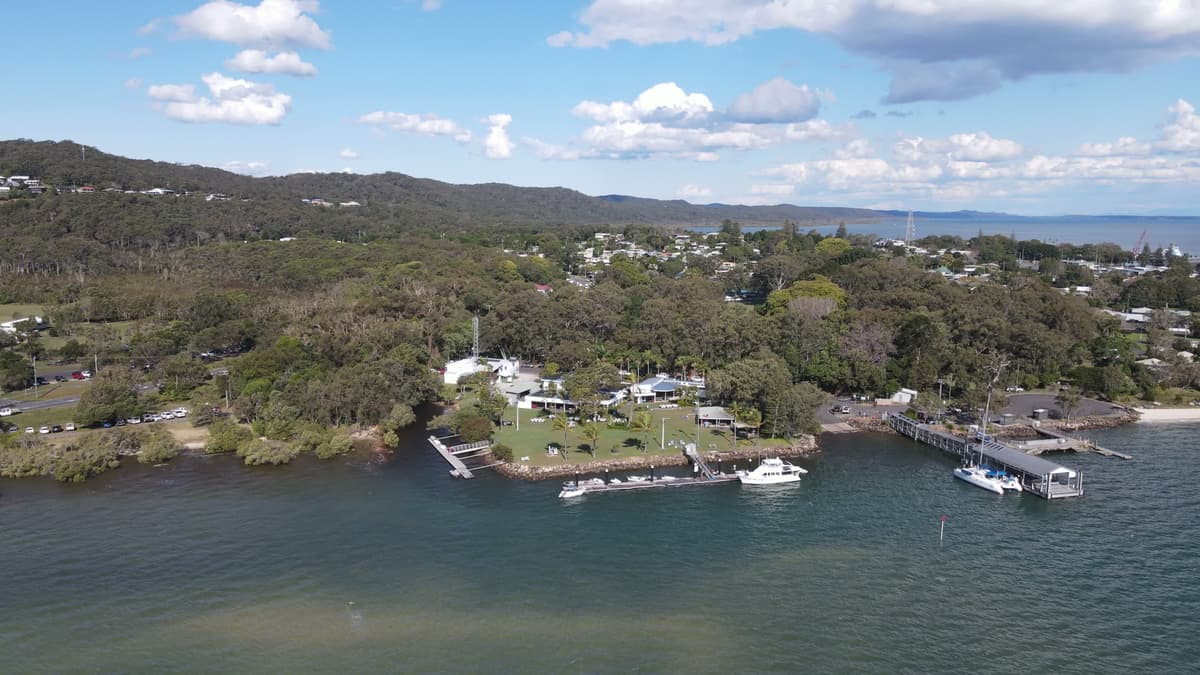
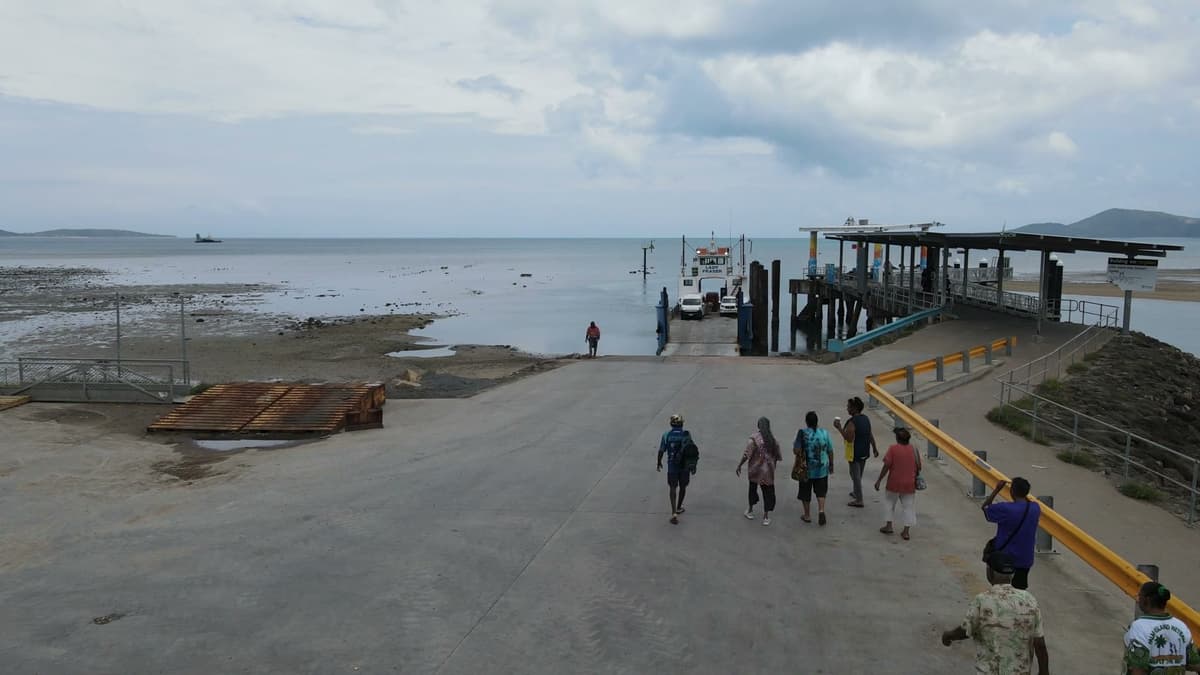
On Bwgcolman (Palm Island), a photo kiosk and locally held server began to make a different relationship physical. Empathy Ledger extended the question into infrastructure. Consent could remain alive, specific to each use, capable of being changed and capable of being withdrawn.
The story does not belong to the pipe merely because the pipe carried it. Technology can remember an obligation. It cannot become the source of authority.
Justice · story · art
The platform is not the fire.
Community remains the fire. Our responsibility is to tend the connections around it and know when the machinery is too loud.
06
Justice, fire and the room you can enter
The missing thing was connective tissue.
JusticeHub began because the same truth kept appearing in different places. Communities already held answers, but those answers were isolated from one another and from the rooms where money, policy and public stories were decided.
In the East Kimberley, Jeremy Donovan’s teaching beside biri, the fire, offers a grounded philosophy of justice: see beauty before behaviour, tend force rather than extinguish spirit, and let Country, Culture, kinship and responsibility become anchors. His story must be published in his voice, with cultural terms, quotations and images confirmed before release.
CONTAINED carries the argument into an object. A shipping container becomes a public artwork people can enter. The system is no longer explained at a safe distance. It becomes a threshold crossed by the body.
07
The kettle, table and land
Hospitality is infrastructure.
Nic’s part of the work resists the fantasy that change occurs only through strategy, software or policy. His materials are often humbler: a kettle, a table, a tool, a room, a garden, food at the right moment and the repair that tells a person somebody expected them to stay.
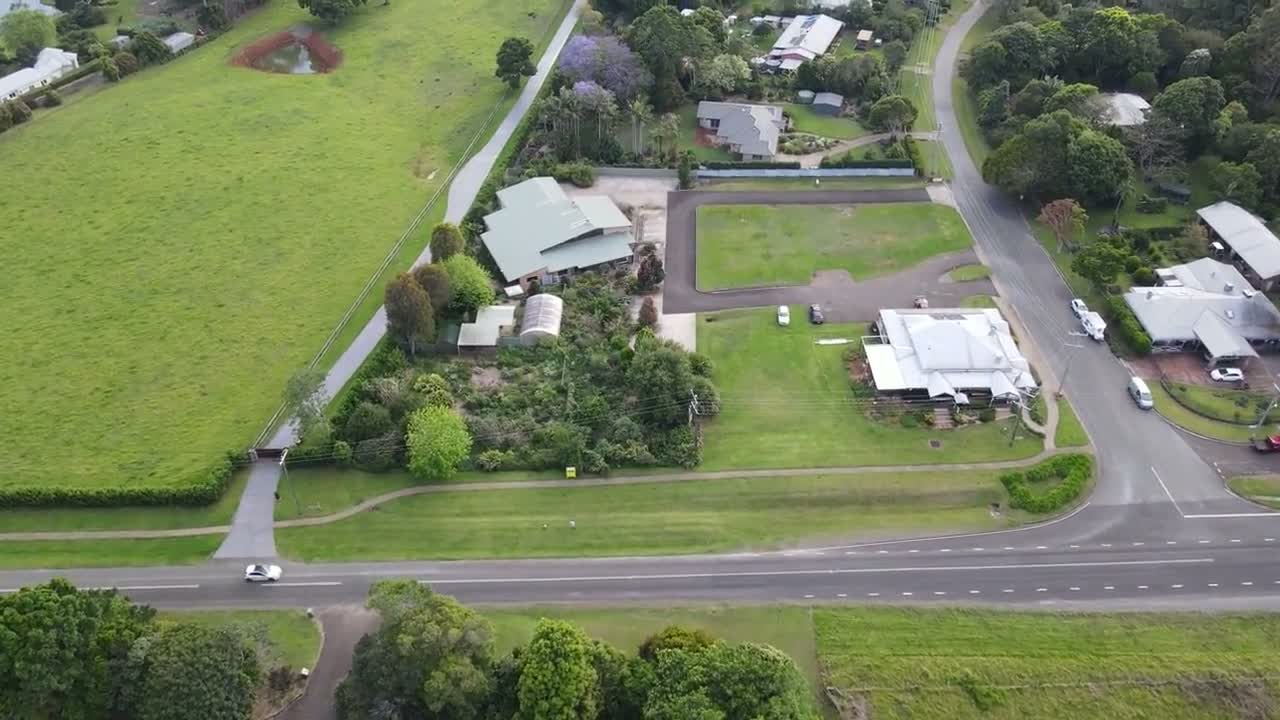
At Black Cockatoo Valley and The Harvest, place is not scenery. Place is one of the ways the work thinks. A garden, kitchen, art space and long table lower the threshold at which a stranger can become a participant.
The romantic version of place forgets rates, rosters, insurance, repairs and who washes the plates. Care that cannot endure becomes a beautiful weekend somebody else must clean up.
08
Art was never the fourth step
Art is a form of moral attention.
Listen · Curiosity · Action · Art gave the scattered work a spine. It becomes false when treated as a production line. Listening does not end when curiosity begins. Action can be the decision to wait, return or refuse. Art is present in the first act of attention.
Art keeps different truths in the same body: the bed and the economy behind it; the young person and the file written about them; the story and the consent that governs it; the generous room and the labour required to hold it open.
ACT is not an arts organisation with social projects beneath it, or a consultancy that sometimes uses art. Art is the connective tissue between what a system says it does and what a person feels it doing.
09
Systems that remember
Automate administration, not relationship.
A ledger, evidence base, asset register or digital platform can help knowledge travel without being lost. It can also become a mine. A dashboard can make what is easy to count appear more real than what takes years to understand.
The answer is not to refuse machinery. It is to make machinery remember its obligations. Let it carry receipts, reminders, version histories and the memory of promises. Do not ask it to conduct ceremony, resolve cultural authority, repair trust or decide what a story means to the person who lived it.
The machine belongs behind the house. People belong at the table and the fire.
10
Two different instruments
The partnership is strongest when neither man wins.
Ben reaches for story, systems, evidence, justice and the infrastructure that lets knowledge move. Nic reaches for place, people, art, hospitality and the practical gesture that changes the feeling in a room.
Without Ben, lived detail may fail to travel into rooms of policy, money and evidence. Without Nic, a system may confuse legibility with truth. One brings the ledger toward the fire. The other keeps the fire from becoming a line in the ledger.
Speed must answer to season. System must answer to place. Proof must answer to trust. Imagination must answer to maintenance. The friction is not an inconvenience to remove. It is one of ACT’s instruments of truth.
How it connects
What connects the work.
Beds, stories, public art and places to gather appear throughout this history. Each brings us back to who decides, who benefits, and what people can carry forward.
Art
Art makes us care enough to return.
Empathy Ledger
Stories remain with their owners.
JusticeHub
Local knowledge finds local action.
Goods on Country
Making capability stays on Country.
The Harvest
The gate is open. The rhythm is not settled.
What we now believe
Seven convictions for the next field.
01
Begin with presence
Look for relationship, memory, humour, skill, cultural authority and ambition before defining a place by absence.
02
Let relationship alter the design
If the object, contract, timetable or governance cannot change, listening has become consultation theatre.
03
Follow value all the way home
Ask where wages, margin, machinery, data, rights, decisions and reputation come to rest.
04
Treat story as sacred trust
Consent is alive, specific and reversible. Cultural knowledge remains governed by its people.
05
Use art as a way of knowing
Art lets systems become felt and keeps contradiction visible.
06
Build every tool with a door out
Transfer knowledge, infrastructure, capability and decisions. Being needed forever is not impact.
07
Protect the capacity to return
Rest, family, health, clean books and disciplined refusal are part of keeping faith.
Historical bearings
A chronology of becoming.
Before ACT
Two apprenticeships
A practical object opens a human relationship. A camera teaches that witnessing can also become taking.
31 Jul 2022
The public beginning
Two people, one curious tractor. Ideas, action, pride and an early promise to return the work.
2023 to 24
The field widens
Goods, justice, story, place and public art reveal connected questions about ownership and power.
2025
The years of yes
The abundance carried a risk. The work needed a spine, and the founders needed a limit.
2026
Structure catches up
The shared company, clearer decisions, sustainable revenue, family, rest and fewer deeper commitments.
Next
From presence to transfer
Capability, authority, memory and value move toward the people and places from which the work came.
Are you proud of it?
Not yet. Go back.
Come closer. Listen again.
This living history draws from "The Field Between Us", ACT's project archive and the yearly reviews. Some stories remain inside relationships, permissions and cultural authority. That boundary is part of the record.
Keep going
Four ways on from here
Or bring us the question you cannot leave alone.
Contact